
It's easy to get more fat-burning calcium into your diet—and, unlike your mother told you, it doesn't involve drinking more milk! Here are 11 unexpected foods that are great sources of calcium.
They also and find themselves less able to control their appetites. A calcium-rich diet can lower blood pressure, cholesterol, and blood sugar levels; it's one of the 13 fat-releasing foods in our book, The Digest Diet.
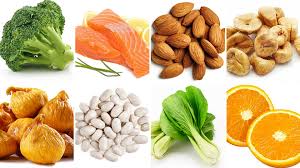
Natural Calcium
Since most Americans aren't getting enough nutrients through natural foods alone, they often rely on enriched foods and supplements . Sail down the grocery aisle and stock up on these items, au natural!
1. White Beans
Surprising Sources of Calcium: White Beans
PIN IT
191 mg (19% DV) in 1 cup canned
Creamy and light, these legumes are a great source of calcium and iron . Add them to a pasta dish with veggies, or skip the chickpeas and make your own hummus with white beans.
2. Canned Salmon
232 mg (23% DV) in ½ can with bones (which provides the calcium!)
To avoid putting a dent in the wallet, canned salmon is a great way to go. Here’s the catch: It’s the bones in canned salmon that hold all the calcium, so they need to be mashed up right along with the salmon meat for all the benefits! But don’t get turned off just yet—the canning process softens the bones so they easily break apart and are unnoticeable when mixed in with the rest of the can’s contents. For a boost of calcium and omega 3’s, try these salmon cakes.
3. Sardines
321 mg (32% DV) in about 7 sardines fillets
There’s nothing fishy about sardines—they are one of the healthiest fish to munch on! Along with calcium, they also provide a hefty dose of omega 3’s and vitamin D. Try adding them to a Greek salad or eat 'em straight out of the can.
4. Dried Figs
107 mg (10% DV) in 8 whole dried figs
For a sweet treat, this dried fruit packs an antioxidant, fiber, and calcium punch . Eat them as a mid-day snack, or turn these delicious dried fruits into a creamy jam.
5. Bok Choi
Non-Dairy Sources of Calcium: Bok Choy
PIN IT
74 mg (7% DV) in 1 cup
This versatile Chinese cabbage provides a hefty dose of vitamins A and C, along with calcium and fiber. Stir-fry bok choy with garlic and olive oil for a perfect side dish.
6. Blackstrap Molasses
172 mg (17% DV) in 1 tablespoon
When the sweet tooth strikes, it’s best to go natural. Blackstrap molasses is darker in color and richer in flavor than regular molasses, and is filled with calcium, iron, and other vitamins. Plus, it’s a great sweet and flavorful addition to many dishes. Drizzle some on pancakes, or use it to make brown sugar.
7. Kale
188 mg (19% DV) in 2 cups raw (chopped)
This superfood is filled with calcium and antioxidants, and is perfect to use as the base of any salad when shredded into thin strips. A kale salad with apricots and avocado is a perfect springtime dish.
8. Black-eyed Peas
185 mg (18% DV) in 1/2 cup canned
I gotta feeling this is not just a band. These beans are filled with calcium, potassium, folate, and more! Skip the fat-filled mayo and whip up this black-eyed pea spread to pump up any sandwich or appetizer.
9. Almonds
72 mg (7% DV) in ¼ cup dry roasted (about 20 nuts)
You’re "nuts" if you don’t grab a handful of almonds every now and then! They’re the most nutritionally dense nut, packing a crazy amounts of nutrients per calorie and ounce. Aside from calcium, they also contain potassium, vitamin E, and iron. Sprinkle on a salad or make your own almond butter. Just watch out for portion size!
10. Oranges
Non-Dairy Sources of Calcium: Oranges
PIN IT
65 mg (6% DV) in 1 medium fruit
Orange-you glad we included oranges?! Full of vitamin C and calcium, enjoy this fruit as a mid-morning snack, or use its citrus flavor to brighten up any dish, like these honey-orange carrots.
11. Turnip Greens
197 mg (20% DV) in 1 cup cooked (chopped)
This leafy green comes from turnip bulbs, and is filled with calcium, antioxidants, and folate, which could help improve mood. Sautee them as a side dish, or spice things up and make a turnip tart.
12. Sesame Seeds
88 mg (9% DV) in 1 tablespoon
These unassuming seeds are more than just a hamburger bun decoration. Sesame seeds can help lower blood pressure, reduce inflammation, and may even fight against certain cancers. Use their nutty crunch in a salad, or add to this sautéed spinach dish.
13. Seaweed
126 mg (13% DV) in about 1 cup raw
Fish aren’t the only, well, fish in the sea. Seaweed is full of calcium, fiber, and iodine, which helps with proper thyroid function . Bring a bowl of risotto up a notch with this seaweed recipe. Feel like keeping it classic? Try your hand at a classic miso soup.
Fortified With Calcium
Fortifying foods with calcium has become a popular way to help people consume a balanced diet, but some studies do suggest eating foods with naturally occurring nutrients is the better route to take . So just make sure you’re not only reaching for the fortified kinds!
14. Instant Oatmeal
Surprising Sources of Calcium: Instant Oatmeal
PIN IT
187 mg (19% DV) in 1 cup
Many cereals and grains are now fortified, including our favorite morning breakfast. And while the instant kind doesn’t boast the same benefits as old-fashioned rolled oats, they’re a quick breakfast option that’s full of fiber and calcium. Just choose the kinds without added sugar.
15. Orange Juice
500 mg (50% Dv) in 1 cup
In moderation, fruit juice is a perfect pairing for morning pancakes or eggs! Enjoy a tall glass for calcium and vitamin C, or pour over a salmon fillet.
16. Soy-milk
300 mg (30% DV) in 1 cup
Cows milk not your cup of tea? Soy-milk is a great option for people who are lactose intolerant and contains more protein than regular milk. Pour in a morning bowl of cereal or add to coffee with some cinnamon.
17. Firm Tofu
861 mg (86% DV) in ½ cup
We know what you’re thinking: What exactly is tofu? This meaty textured vegetarian alternative is actually made of dried soybeans that have been grounded up and boiled. It’s a great way to add lots of protein, little fat, and (of course) calcium to any meal! What’s on the dinner table tonight? Try this caramelized tofu.
18. Cheerios
Non-Dairy Sources of Calcium: Cheerios
PIN IT
114 mg (14% DV) in 1 cup
They’re touted for helping lower cholesterol, but Cheerios also pack a significant amount of calcium into our cereal bowl. Enjoy with skim or soy milk and sliced strawberries, or in homemade trail mix for extra crunch.


